
Sprunki Feeling Bad Remake
New Games
Trending Games
![Kick the Buddy but Durple [Sprunki - Beat Up Durple]](https://game.sprunkiretake.net/kick-the-buddy-but-durple.webp)
Popular Games
Comments
Sprunki Categories

About Sprunki Feeling Bad Remake
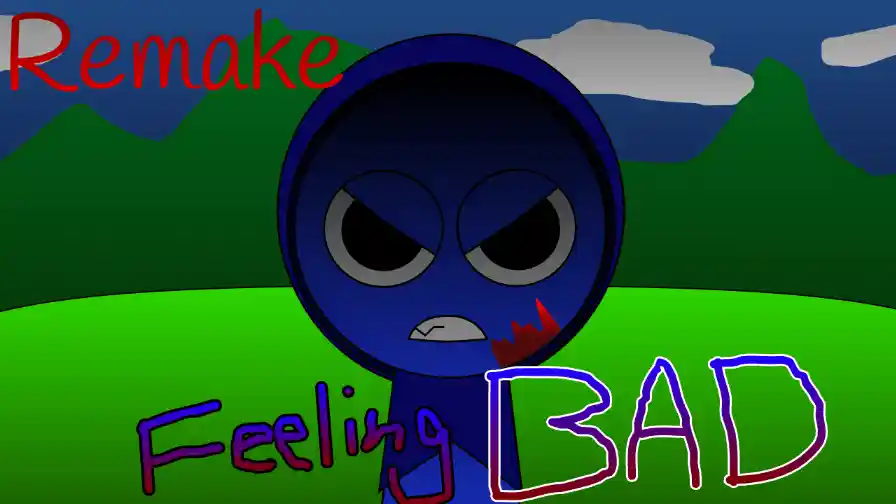
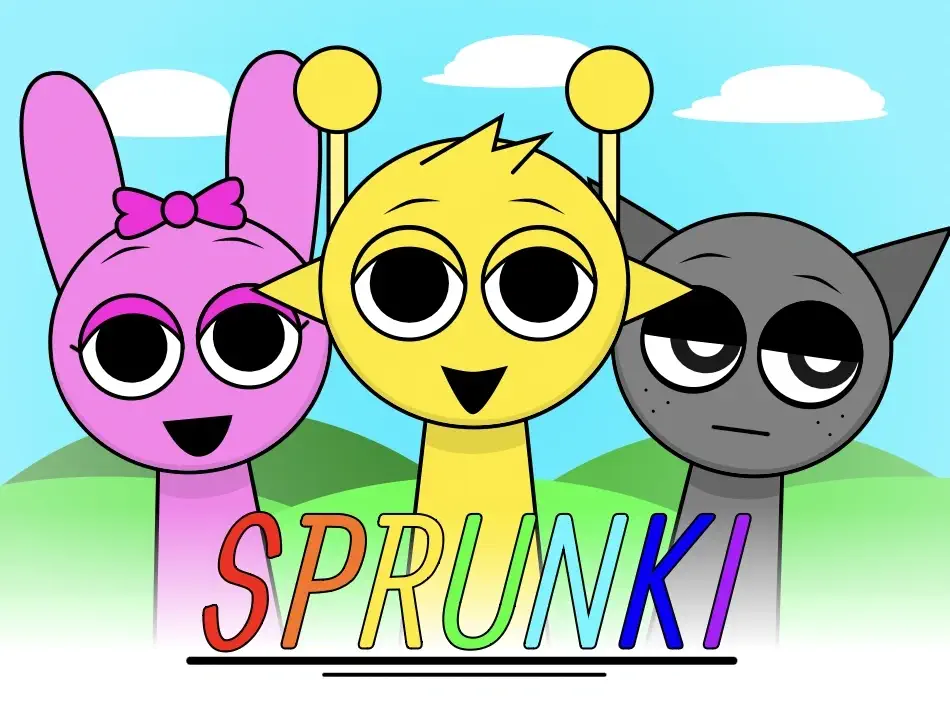
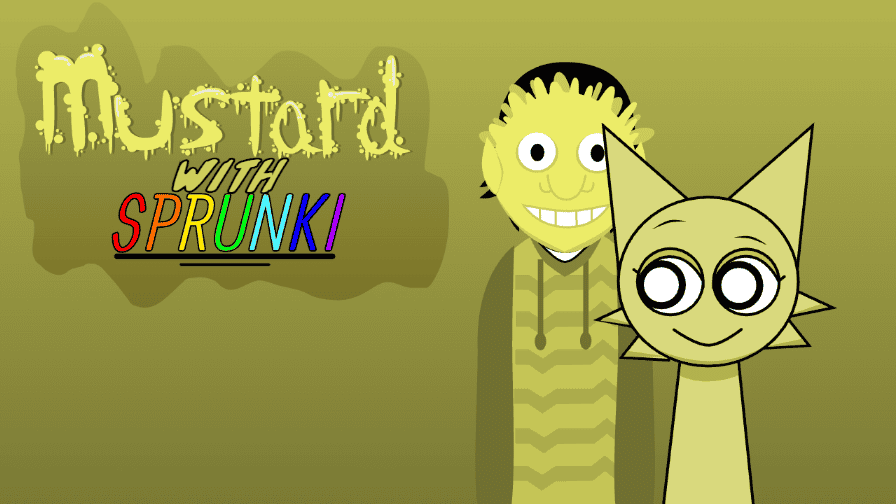
Sprunki Feeling Bad Remake is a fan-made Sprunki Incredibox-style mod that takes the original “Feeling Bad” concept and rebuilds it as a more emotional, story-driven music game. In Sprunki Feeling Bad Remake, you don’t just stack beats—you explore sadness, regret, and recovery through sound design, character reactions, and a powerful contrast between normal and horror modes. It’s still a browser-based Sprunki game at heart, but the remix leans hard into mood, storytelling, and community-made lore.
If you like melancholic Sprunki mods, emotional music games, and horror-adjacent Sprunki mixes, Sprunki Feeling Bad Remake gives you a uniquely personal way to turn “bad feelings” into something creative.
Lore & Story: Feeling Bad, But Not Hopeless
While the exact lore changes slightly between fan interpretations and mixes like "D-Dad?"||(Sprunki Feeling Bad Remake Official Mix)||, the core story of Sprunki Feeling Bad Remake can be understood as a transformation arc.
A World Built on Guilt and Grief
Sprunki Feeling Bad Remake begins in a world where one or more characters are stuck in a deep emotional rut—loneliness, guilt, or unresolved family trauma. The “Feeling Bad” theme suggests:
- A protagonist Sprunki character who has hurt someone close (a parent, sibling, or friend) or been hurt themselves.
- The music and visuals reflecting that emotional weight—muted colors, slower tempos, and soft, echoing beats.
- A subtle narrative about wanting to fix things but being afraid to reach out.
Videos like "D-Dad?"||(Sprunki Feeling Bad Remake Official Mix)|| build on this by focusing on figures like Heat, who gets repeatedly called and reached for (“Hey, Heat… Heat up here”), as if someone is trying desperately to reconnect but can’t break through the emotional fog.
Normal vs. Horror Mix: Two Sides of the Same Feeling
Sprunki Feeling Bad Remake is usually structured in chapters or segments:
- Normal Mix (0:00) – The surface emotion: sad, tired, but still controlled. Characters look worn out or distant, but the world is intact.
- Horror Mix (around 5:11) – The internal breakdown: intrusive thoughts, spirals of anxiety, and self-blame. Characters distort, colors darken, and vocals become harsh or echoing.
- Story Segment (around 11:19) – The lore payoff: text, visuals, or scenes that explain why everyone is “feeling bad,” often tying back to a specific incident or relationship.
- Luna and Rhogul (beyond 12:43) – In some mixes, side OCs like Luna and Rhogul appear, expanding the universe and hinting at bonds that can either help heal or deepen the hurt.
The remake doesn’t say outright “this character is right” or “this character is wrong.” Instead, it turns emotional conflict into sound—letting you feel the story rather than just read it.
Gameplay Mechanics: How to Play Sprunki Feeling Bad Remake
Under all the lore, Sprunki Feeling Bad Remake still plays like a Sprunki / Incredibox-style music game: you mix, loop, and layer characters to create tracks. But the emotional framing changes how you use those mechanics.
Basic Controls
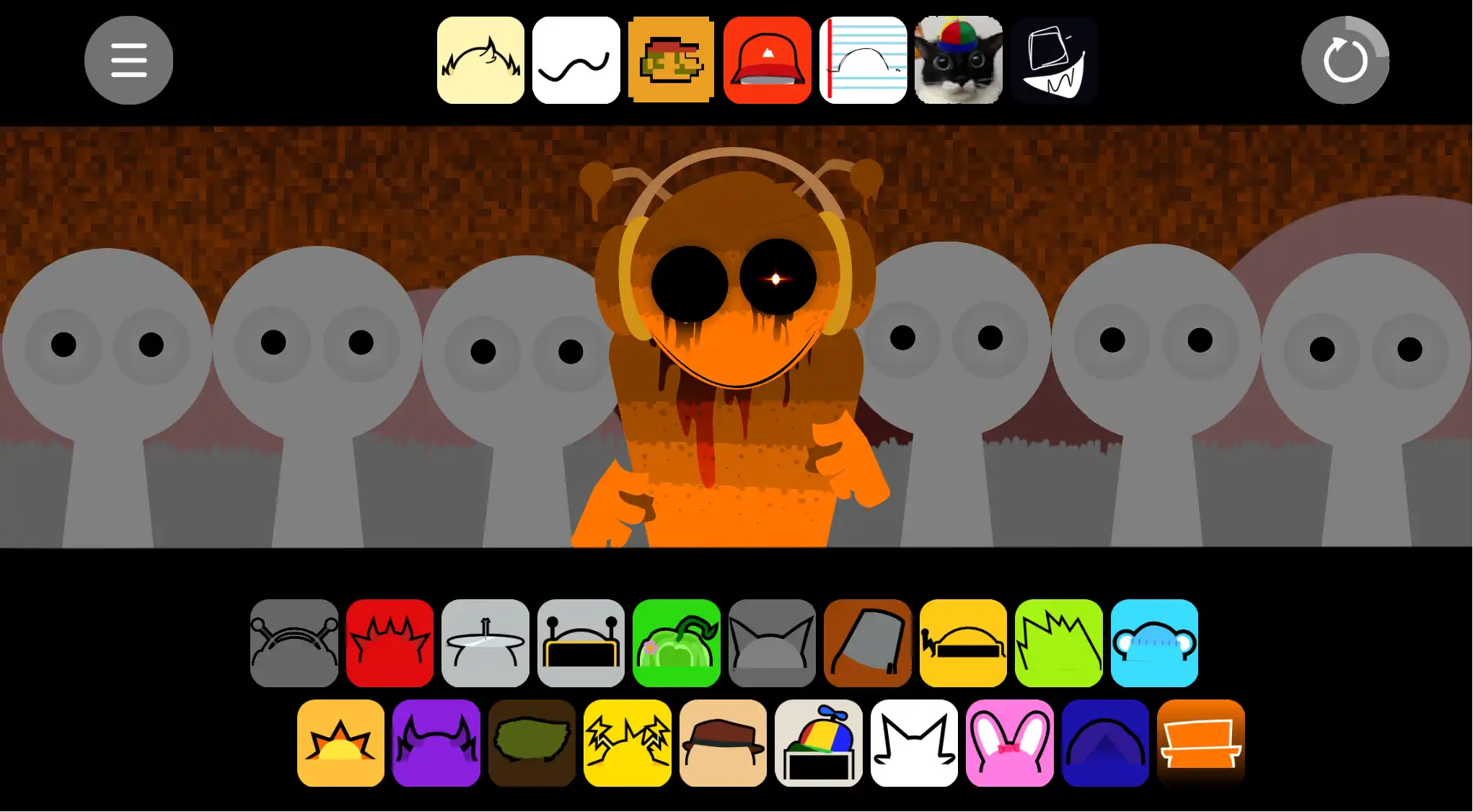
Most browser versions of Sprunki Feeling Bad Remake follow the standard Sprunki format:
-
Drag-and-Drop Characters
- Click or tap a character icon from the lineup and drag them onto the stage.
- Each character represents a specific sound type: beat, melody, effect, or vocal.
-
Activate and Remove Sounds
- Once on the stage, a character starts performing their sound loop automatically.
- Click a character again to remove them, or use small icons below them (if present) to mute or solo.
-
Layering and Looping
- You can usually place up to 7 characters at once.
- The magic comes from how these loops harmonize (or clash) to tell an emotional story.
These fundamentals mirror other Sprunki games and mods, making Sprunki Feeling Bad Remake easy for returning players to pick up. ${DIA-SOURCE}
Emotional Phasing: Normal vs Horror Mode
Sprunki Feeling Bad Remake leans heavily into phase changes:
-
Normal Mix Phase
- Softer beats, gentle synths, and light ambient sounds.
- Characters look subdued or tired but not fully corrupted.
- Color palette: muted blues, grays, or washed-out tones.
-
Horror Mix Phase
- Distorted bass, desynced vocals, reversed clips, and harsher textures.
- Characters show visible distress or horror: tears, cracks, or glitch-like effects.
- Background may darken, vignette around the edges, or pulse with the music.
You don’t necessarily select “Normal” vs “Horror” via a button; instead, your character choices determine the vibe. Stack more aggressive or corrupted versions to “push” into horror; use calmer OCs and lighter sounds to keep things closer to normal.
Story & OC Segments
Like many modern Sprunki mods, Sprunki Feeling Bad Remake often includes:
- Scripted Story Sections – Timed visuals or text overlays that sync with your mix, telling the canon “Feeling Bad” storyline. ${DIA-SOURCE}
- OC Cameos – Characters like Luna and Rhogul (called out in chapter lists) appearing as special sound slots or in cutscenes.
- Hidden Combinations – Certain character combos may trigger a brief “flashback” animation, a dialogue snippet, or a visual change—small lore crumbs for players who experiment.
This structure makes the game feel closer to an interactive music video than a purely sandbox remixer.
Character Guide: Who’s “Feeling Bad”?
Exact sprites and names will depend on the specific build of Sprunki Feeling Bad Remake you’re playing, but generally you’ll see a mixture of:
- Classic Sprunki characters (Heat, Gray, Wenda, Mr. Sun, etc.).
- Emotion-centered OCs tailored to this mod’s theme.
- Horror variants that represent breakdown or intrusive thoughts.
Below is a conceptual guide to how common roles tend to work.
Heat – The One Being Called
In mixes like "D-Dad?"||(Sprunki Feeling Bad Remake Official Mix)||, the transcript shows Heat’s name repeated again and again—“Heat… Hey, Heat… Heat up here.” This suggests Heat is:
- The focus of the story, either as a missing figure, emotionally distant parent, or someone who’s shut themselves off.
- A melody or vocal anchor, where their sound carries longing or desperation.
- Visually, Heat may:
- Look away from others.
- Appear at a distance on screen.
- Show subtle glitches or cracks as the horror mix deepens.
Using Heat’s sound in your mix often pushes the emotional narrative forward.
The Protagonist (Child / OC)
The “D-Dad?” title implies a younger character—possibly an OC—trying to reach Heat:
- Sound Role: Light, fragile melodies or whispered vocals that feel smaller compared to everyone else.
- Visuals: Wide eyes, hunched posture, and animations that suggest hesitating before speaking.
- In horror mode, this character might:
- Fracture into multiple “echo” versions.
- Fall into the background while louder, harsher characters take over.
They represent hope, fear, and the desire for connection.
Gray, Wenda, and Other Core Sprunki Faces
Even if not named explicitly in a specific video, Sprunki Feeling Bad Remake typically uses:
-
Gray – Bass of Anxiety
- Deep, pulsing bass lines that make everything heavier.
- When layered too thick, Gray can make the track feel suffocating—perfect for anxious segments.
-
Wenda – Shouts and Cracks
- Short exclamations or strained vocals.
- In horror mix, her voice may break, echo, or distort, acting like emotional “spikes” in the song.
-
Sky / Tree / Support Characters
- Ambient effects (wind, soft chords, environmental noises).
- In normal mode, they’re your emotional buffer.
- In horror mode, their sounds can twist into eerie drones or distant rumbles.
OCs like Luna and Rhogul
When a video chapter calls out “Luna and Rhogul”, they generally act as:
- Side-story focal points, representing different responses to feeling bad:
- Luna might symbolize comfort, empathy, or the friend who stays.
- Rhogul might embody anger, defensiveness, or the urge to run away.
Each tends to have a distinct audio signature—Luna being softer and melodic, Rhogul heavier and more percussive or glitchy.
Contextual Internal Link: Similar Emotional/Horror Sprunki Mods
Sprunki Feeling Bad Remake sits in the same emotional/horror lane as many treatment-style mods where characters carry visible scars, bandages, or emotional weight. If you enjoy using your mixes to “process” feelings and fix or explore characters, you’ll likely vibe with other treatment-focused experiences too. For more browser-based mods that let you dig into character emotions, scars, and healing arcs, browse the curated titles in the Sprunki Treatment category, where each game turns personal struggles into interactive sound stories.
Community & YouTube Trends
Sprunki Feeling Bad Remake has built a strong presence in the fan community due to its emotional angle and remix potential. ${DIA-SOURCE}
“Official Mix” Videos and Chapters
Creators often upload:
- Official Mix Showcases – Full runs like
"D-Dad?"||(Sprunki Feeling Bad Remake Official Mix)||, broken into clearly labeled chapters:- Normal Mix
- Horror Mix
- Story
- Luna and Rhogul, or other OC-focused segments
- Story Edits – Clips rearranged into mini AMVs or lore recaps focusing on the most emotional lines and facial expressions.
- Character Galleries – Breakdown of designs across normal/horror forms, with fan commentary about what each visual change means emotionally.
These videos double as lore explanation and inspiration for players’ own mixes.
Emotional Edits & CapCut Trends
Hashtags like #sprunki, #feelingbad, #sprunkimix, #sprunkioc, and #incrediboxsprunki show how fans use:
- CapCut templates to sync scenes from Sprunki Feeling Bad Remake with lyrics about:
- Absent parents (“D-Dad?”).
- Feeling unseen.
- Trying to hold a friend together.
- Loopable sections of the horror mix as “brainrot” audio over glitch art, text rants, or comfort edits.
Because the mod is built around emotional contrast, editors can pull both soft, comforting visuals and intense horror shots from the same game.
Remix Culture & Fan Characters
The remake’s “Feeling Bad” identity encourages:
- OCs and self-inserts – Players create their own Sprunki characters representing their mental health, family issues, or coping mechanisms, then place them into the Feeling Bad universe. ${DIA-SOURCE}
- Cross-mod interpretations – Fans connect this remake to other emotional Sprunki games (like treatment mods or voided mods), building big shared universes where characters cross timelines.
This fan creativity is a huge part of why Sprunki Feeling Bad Remake has staying power.
Tips & Strategy: Getting the Best Emotional & Musical Results
Sprunki Feeling Bad Remake doesn’t have “good” or “bad” endings in the typical sense, but you can absolutely aim for different emotional outcomes and more coherent soundscapes.
1. Decide Your Emotional Goal First
Before dragging characters on stage, choose:
-
Do you want a soft, sad mix?
- Focus on calmer characters, ambient effects, and gentle percussion.
- Keep horror-variant characters minimal.
-
Do you want a breakdown/horror mix?
- Bring in corrupted variants, heavier bass, and cracked vocals.
- Let visuals go darker and more intense.
Having a goal keeps your track from feeling random.
2. Use Normal Mix as a Baseline
Start with a Normal Mix style:
- Lay down 1–2 soft beats.
- Add a melancholy melody (Heat, protagonist OC, or similar).
- Sprinkle in a light vocal or ambience.
Listen until your loop feels like a stable emotional “room,” then decide which direction to push it: healing or horror.
3. Introduce Horror Gradually
For a more impactful shift:
- Add a single corrupted or horror-mode character.
- Notice how their sound shifts the mix’s emotion.
- Slowly layer more—one distorted vocal, one glitch effect, one heavier bass.
This creates a build-up that mirrors an emotional spiral instead of jumping straight into chaos.
4. Let Silence & Minimalism Work for You
Especially in a game about feeling bad:
- You don’t need all 7 slots filled.
- A 3–4 character setup can sound intimate and fragile.
- Removing a character at a key moment—like removing Heat after their name is called—can hit harder than any jump scare.
Use removal as emotional punctuation.
5. Match Characters to Narrative Moments
Think in scenes:
- Calling Out: Use softer vocals and light beats while the protagonist “calls” Heat or another character.
- No Response: Drop the beat, keep a lonely melody or ambient hum; maybe one glitch effect to show their thoughts cracking.
- Emotional Crash (Horror Mix): Reintroduce heavy bass, aggressive vocals, and visual corruption all at once.
This cinematic approach aligns your audio with the story in your head.
6. Rebuild Toward Calm
If you want a more hopeful “ending” to your mix:
- Slowly remove horror-layer characters.
- Bring back stable beats and softer melodies.
- End with just 1–3 gentle loops—maybe protagonist + ambience.
Even if the visuals stay somewhat dark, the sound can suggest acceptance, healing, or the start of reconciliation.