
SPRUNKALICIOUS 1996 Port

New Games

Trending Games
![Kick the Buddy but Durple [Sprunki - Beat Up Durple]](https://game.sprunkiretake.net/kick-the-buddy-but-durple.webp)
Popular Games

Comments
Sprunki Categories


About SPRUNKALICIOUS 1996 Port: The Lost Media Nightmare
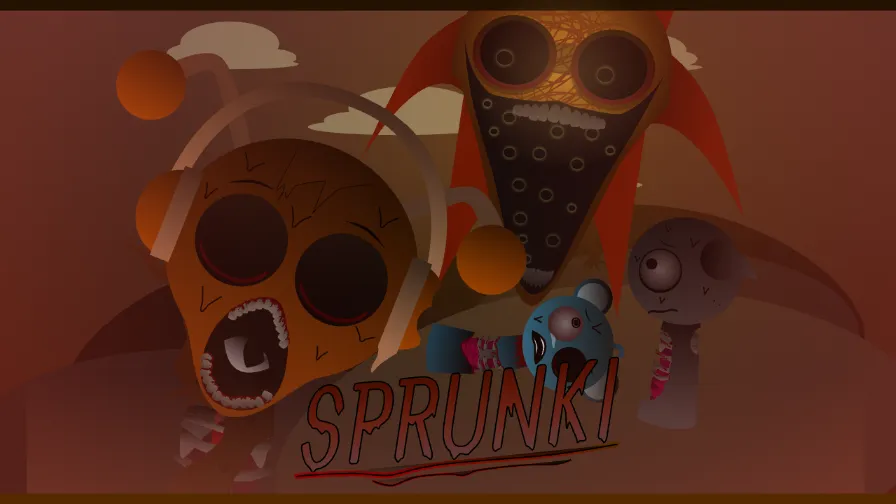
The internet loves a good "Lost Media" story, and the Sprunki community has found its holy grail of cursed gaming in SPRUNKALICIOUS 1996 Port. While the name might suggest a sweet, candy-coated adventure (referencing the popular "Sprunkilicious" aesthetic), this specific project by the itch.io creator SPRUNKALICIOUS is a descent into analog horror.
Pretending to be a rediscovered, controversial software release from 1996, this game strips away the high-definition polish of modern Incredibox mods. Instead, it replaces them with CRT scanlines, bit-crushed screams, and a disturbing "homemade" quality that makes players feel like they are watching a cursed VHS tape that was never meant to be played. In this guide, we explore the "found footage" lore, the degraded gameplay mechanics, and the retro-tragedy of its cast.
The Lore: The Banned Software of '96
The narrative framing of SPRUNKALICIOUS 1996 Port is what sets it apart from standard horror mods. It doesn't just say "the characters are scary"; it claims the software itself is haunted.
The "Controversial" Release
According to the meta-lore surrounding the project, Sprunki 1996 was an experimental music mixer released for old Windows operating systems (Windows 95/98) that was quickly pulled from shelves due to "unsettling content" and reports of the software damaging computers.
- The Time Capsule: The game presents itself as a relic. The UI is blocky and grey, mimicking old computer interfaces.
- The Corruption: The lore suggests that the characters inside aren't just code; they are "trapped" in the low-resolution files. The corruption isn't a demon invasion; it's digital rot. As the "tape" degrades, the characters melt, distort, and scream through the static.
Gameplay Mechanics: Analog Agony
Playing SPRUNKALICIOUS 1996 Port is a deliberate exercise in discomfort. The developer has engineered the experience to feel "broken" in a way that enhances the horror.
VHS Aesthetics & Audio
- Visual Noise: The screen is heavily filtered with chromatic aberration (color splitting) and scanlines. The frame rate is intentionally choppy to mimic old hardware struggling to run.
- Bit-Crushed Sound: The musical loops are compressed. The beats sound crunchy, the melodies warble like a stretched cassette tape, and the vocals are muffled. This "Lo-Fi" horror makes the sudden, loud jumpscares significantly more jarring.
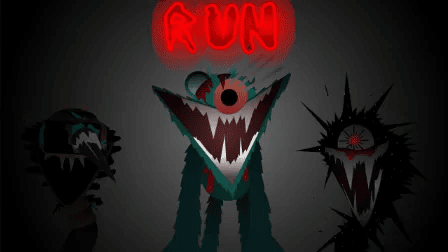
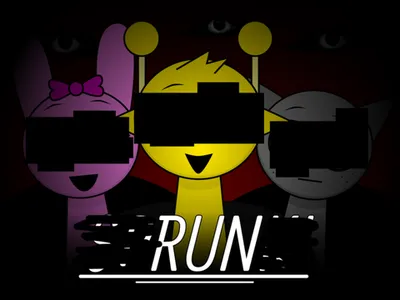
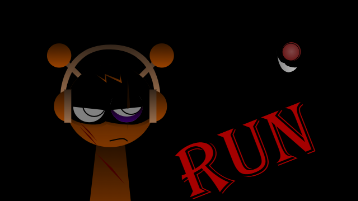
- The "Run" Event: Unlike standard gameplay where you leisurely mix beats, this port features sudden "Glitch Events." The music may cut out entirely, replaced by a low drone or a high-pitched emergency broadcast signal, forcing the player to reset or face a jump scare.
Character Guide: The Low-Poly Victims
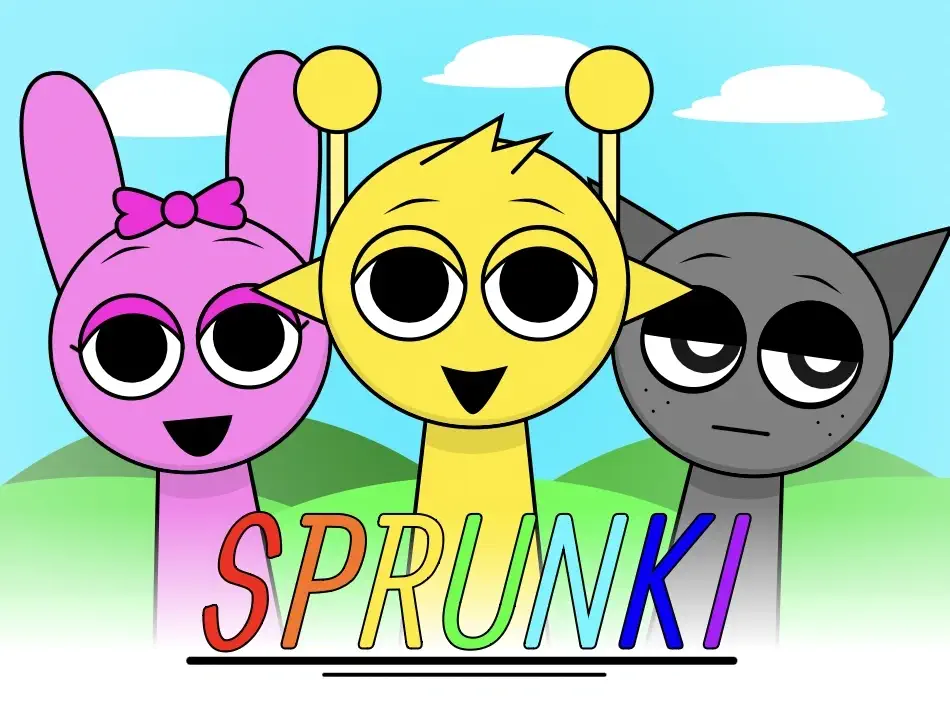
The roster in SPRUNKALICIOUS 1996 Port features retro, simplified versions of the classic Sprunki cast. However, the "1996" filter reveals disturbing new details about them.
Bun Bun (The Pinki Variant)
- Role: Melody / Horror Mascot
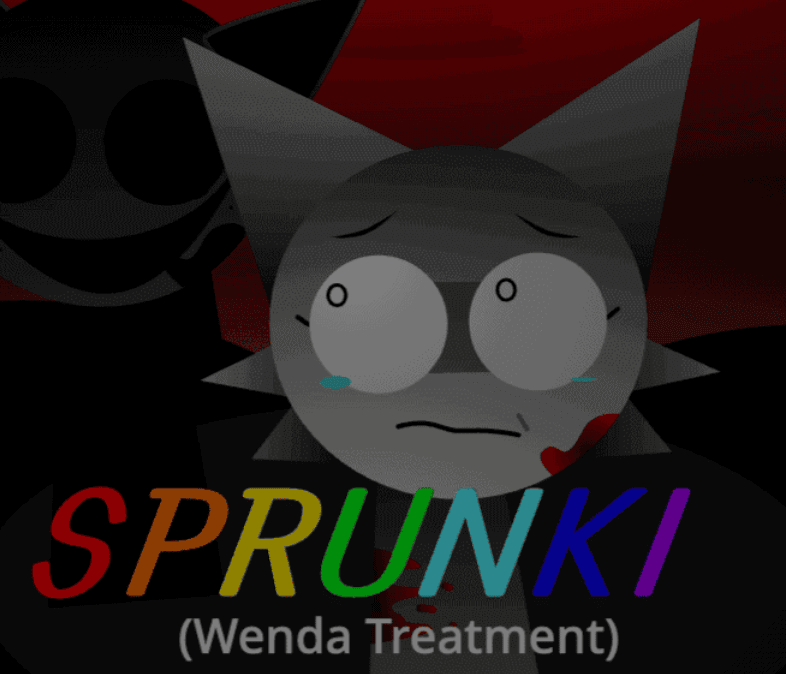
- Appearance: A standout character in this port. Instead of the standard Pinki, we have "Bun Bun"—a figure wearing a mascot bunny head.
- The Horror: As the game progresses (or in the "Horror Mode" toggle), it is revealed that the bunny head is not a mask, or if it is, it has been grafted onto the body. Blood stains the neck, and the eyes of the mask are hollow, suggesting a "Springtrap" style tragedy.
Retro Oren (The Face of the Glitch)
- Role: Beats
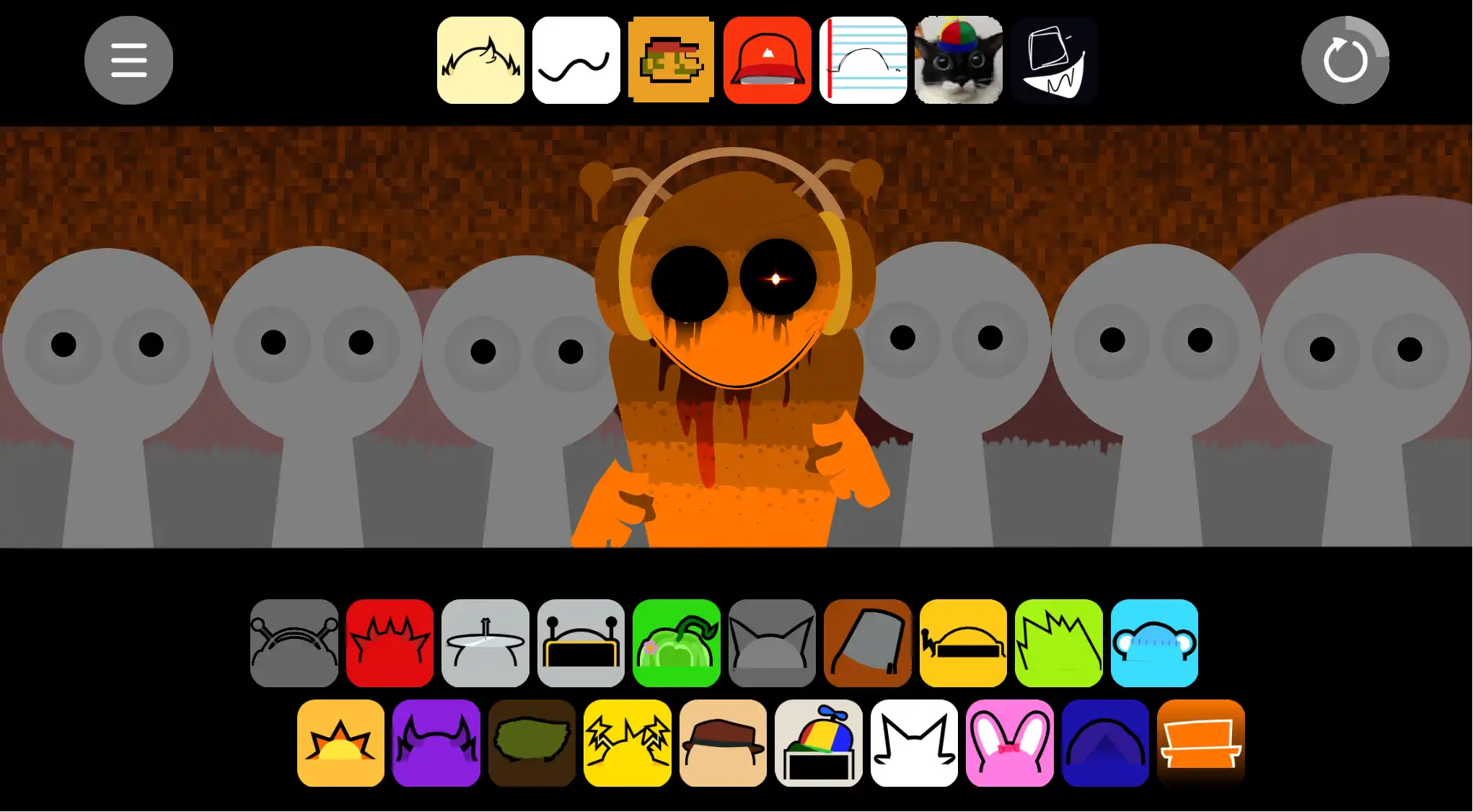
- Appearance: A highly pixelated version of Oren. His signature orange color is washed out to a rusty brown.
- Status: In the horror phase, his face often stretches unnaturally—a reference to classic "face distortion" tropes in analog horror videos (like The Walten Files).
Wenda (The Shining Star)
- Role: Vocals
- Appearance: Wenda is often the brightest character on the screen, but in the 1996 port, this brightness is a trap. Her animations are jerky and loop improperly, creating an uncanny valley effect where she looks like a malfunctioning animatronic.
Raddy (The Static Demon)
- Role: Bass / Effects
- Appearance: Raddy is often obscured by heavy static. In his "monster" form, he doesn't just grow teeth; he becomes a mass of glitch artifacts, looking like a "Kill Screen" from an old arcade game come to life.
Exploring the Analog Horror Trend
The 1996 Port is part of a larger movement within the community to explore "Analog Horror"—fear derived from old technology. Players who enjoy the aesthetic of VHS tapes, CRT monitors, and "found footage" mysteries often gravitate toward these mods because they feel more "real" than the fantastical demon invasions of other phases. If you want to explore more mods that utilize retro aesthetics, glitch mechanics, or "lost media" storylines, check out the Sprunki Mods category. Here you can find other "demakes" that turn modern Sprunki chaos into retro nightmares.
Community Theories: Is It Real?
The immersive nature of SPRUNKALICIOUS 1996 Port has led to wild theories in the YouTube comments section:
- The "Real" Game Theory: Some younger fans speculate if a Sprunki game actually existed in 1996. (Fact Check: It didn't; Sprunki is a modern creation, but the mod sells the lie perfectly).
- The "Bun Bun" Killer: Fans speculate that Bun Bun represents a specific developer or mascot from the fictional 1996 company who went insane, killing the other characters and stuffing them into the code.
- The Lag is a Feature: Players often complain about the game "lagging," only to realize the lag spikes perfectly sync with the horror beats, leading to the realization that the game is controlling the performance to scare them.
Tips for the Full Experience
- Play in the Dark: The scanline effects and low-contrast visuals are best viewed in a dark room. The "Ghosting" effects (faint images lingering on screen) are easier to spot.
- Use Headphones: The audio compression hides subtle whispers. In the "silence" between loops, you can often hear faint crying or computer error noises that are crucial to the atmosphere.
- Don't Trust the "Help" Menu: In the Itch.io version, clicking UI elements like "?" or "Help" might not give you instructions—it might trigger a fourth-wall-breaking message from the entity trapped inside the game.
Conclusion
SPRUNKALICIOUS 1996 Port is a triumph of style over fidelity. It proves that you don't need 4K graphics to be scary; sometimes, a pixelated, 256-color sprite bleeding hyper-realistic blood is far more terrifying. It captures the specific dread of being a child late at night, playing a game you know you shouldn't be playing, on a computer that sounds like it's about to explode.
Whether you are an analog horror veteran or just a Sprunki fan looking for a history lesson that never happened, the 1996 Port is waiting to be booted up. Just remember to eject the disk when you're done... if it lets you.